



















What patients should know about the hundreds of junior physicians on strike in South Korea?
Junior doctors in South Korea are protesting against the government's plan to recruit more medical students, leading to disruptions in major hospitals. Authorities issue warnings as thousands remain on strike, impacting medical services and raising concerns about the country's healthcare future.

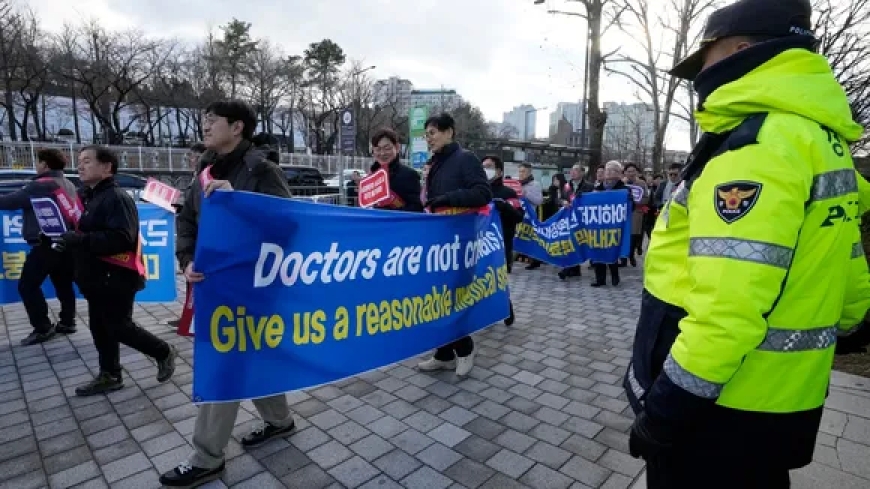
Junior doctors across South Korea have initiated a mass protest against the government's initiative to increase medical student recruitment, resulting in significant disruptions to healthcare services. The protest, which commenced on February 20, has seen approximately 8,940 medical interns and residents walking off their duties, causing major hospitals to grapple with operational challenges and raising apprehensions regarding the nation's healthcare system.


The government's proposal aims to augment South Korea's annual medical school admissions by 2,000, elevating the current cap of 3,058, to add up to 10,000 doctors by 2035 to address the demands of an aging population. Presently, South Korea maintains a ratio of 2.1 physicians per 1,000 people, considerably lower than the developed world's average of 3.7.
The protesting junior doctors argue that the sudden surge in medical students would overwhelm educational institutions and lead to adverse consequences, including overtreatment, escalating medical expenses, and a perpetuation of the existing scarcity of physicians in critical yet low-paying specialties such as pediatrics, obstetrics, and emergency medicine. Critics speculate that the opposition stems from concerns over potential income reductions among the striking doctors.
Ahn Cheol-soo, a former doctor turned lawmaker, voiced support for the government's plan but emphasized the necessity of incentivizing students to pursue essential medical fields to avoid an imbalance in specialization. However, without such measures, Ahn cautioned that an influx of dermatologists and plastic surgeons might ensue, exacerbating the existing disparities.
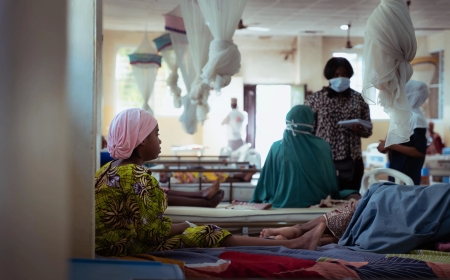
The repercussions of the walkouts have been felt across the healthcare sector, with hospitals forced to cancel numerous scheduled surgeries and medical procedures. Reports emerged of critical patients being turned away from multiple hospitals due to staff shortages, exacerbating concerns about patient welfare.
Junior doctors play a significant role in South Korea's healthcare landscape, constituting 30%-40% of the total medical workforce in major hospitals and supporting senior doctors during surgeries and patient care. As the strike persists, the government has implemented measures such as extending working hours in public medical institutions and granting legal authority to nurses to perform certain medical procedures traditionally conducted by doctors.
Despite assurances from Vice Health Minister Park Min-soo regarding the stability of critical and emergency patient care, observers remain wary of the potential ramifications if the strike persists or senior doctors decide to join the protest. While the Korea Medical Association, representing approximately 140,000 doctors, has expressed solidarity with the protesting trainees, its stance on participating in the walkouts remains undecided.
Park Jiyong, a spine surgeon, warned of a possible escalation in the protest as senior doctors from major university hospitals could join the strike, which would severely impact hospital operations.