

























Fears as the deadliest diphtheria epidemic in recent memory strikes West Africa

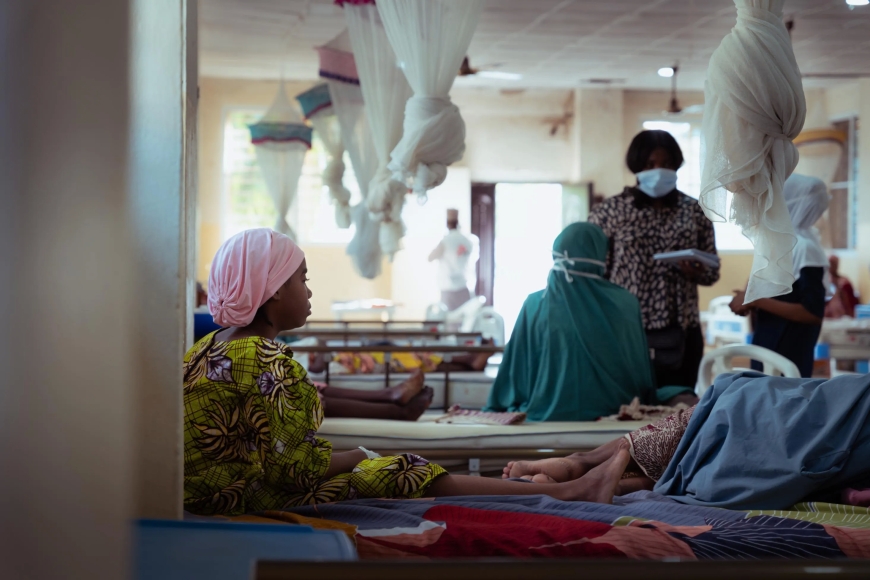
In Nigeria's northern state of Kano, healthcare professionals are contending with one of the most severe diphtheria outbreaks in recent memory. While cases have been reported since May of the previous year, the outbreak has escalated rapidly in the past few months, causing concern among health officials. The efforts of local, federal, and international health organizations to contain the bacterial disease have proven challenging, with Nigeria experiencing 17,000 suspected cases so far.


Disturbingly, the outbreak has extended its reach to other West African nations, including Niger and Guinea. Medecins Sans Frontieres (MSF) notes that these countries are currently grappling with some of the most intense outbreaks of this preventable disease ever documented on the continent. Despite the spread, Kano remains the epicenter, with MSF health workers confirming 9,310 cases and 368 deaths in the region this year.
At its zenith, MSF in Kano reported as many as 700 cases weekly. While this rate diminished in September, there is a gradual resurgence, with the current weekly count standing at 500 cases.
Diphtheria is a bacterial disease known for producing a toxin that targets tissues and attacks cells in the respiratory system, posing challenges for patients in breathing and swallowing. If the toxin enters the bloodstream, it can lead to damage in the nervous system, as well as heart and kidney damage or paralysis, even post-recovery, as outlined in an MSF explanation of the disease.
In Kano, Murjanatu Muhammad, a 30-year-old mother, has experienced the distressing situation of all her children—10-year-old Mohammed, eight-year-old Fatima, and five-year-old twins Jamila and Husseina—being admitted to the hospital due to diphtheria. She emphasized the critical importance of bringing the children for treatment early to avert potential complications. Another mother, Firdausa Salisu, shared the story of her son, Auwal Nura, who has been unwell since birth and initially received treatment from a traditional healer. The traditional healer advised against vaccinations, and by the time Firdausa sought vaccination for her son, she was informed that he had surpassed the recommended age for receiving the vaccines.