



























San Francisco offers its condolences to Black citizens for its long history of discriminatory laws.
San Francisco's supervisors unanimously apologize to African Americans for historical racism, committing to reparations. Learn about the resolution's significance and ongoing calls for action.

Supervisors in San Francisco made a significant move on Tuesday by formally apologizing to African Americans and their descendants for the city's past perpetuation of racism and discrimination. This apology, they emphasized, marks just the beginning of a larger reparations effort for Black residents, rather than the conclusion.


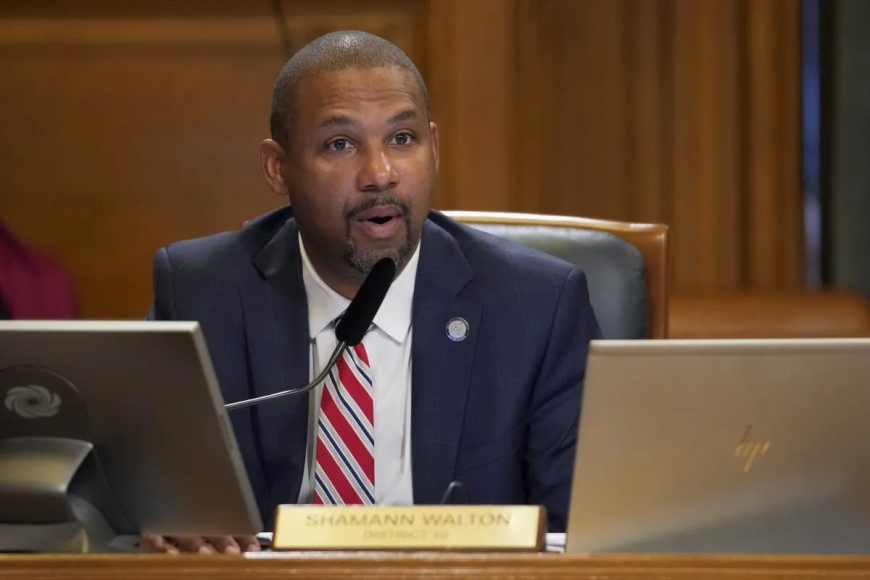
The vote, which saw unanimous support from all 11 board members who sponsored the resolution, symbolizes a landmark moment for San Francisco. Supervisor Shamann Walton highlighted the historic nature of the resolution, stating, "This historic resolution apologizes on behalf of San Francisco to the African American community and their descendants for decades of systemic and structural discrimination, targeted acts of violence, and atrocities."
San Francisco's apology aligns it with other major U.S. cities like Boston, which have also issued similar acknowledgments. The resolution also acknowledges that nine states have formally apologized for slavery.
Supervisor Walton, the resolution's chief proponent and the only Black member of the board, emphasized the importance of the apology as a crucial step forward. However, he noted that much more work lies ahead, particularly in addressing the deep racial wealth gap in San Francisco.
Despite the symbolic significance of the apology, there has been limited progress on concrete reparations measures. The African American Reparations Advisory Committee proposed various initiatives, including a $5 million lump-sum cash payment and a guaranteed annual income for eligible Black adults, aiming to rectify the racial wealth disparities in the city. However, these proposals are yet to see action.
Some supervisors also criticized certain public safety measures on the upcoming city ballot, arguing that they could disproportionately harm Black residents. Supervisor Dean Preston highlighted the historical injustices faced by the Fillmore neighborhood, emphasizing the need for a commitment to avoid repeating past harms.
The resolution underscores findings of systemic discrimination, including property redlining and the displacement of Black residents through urban renewal policies. Despite Black people comprising a small percentage of the general population, they disproportionately represent the homeless population in San Francisco.
While California has taken steps toward reparations, including creating a task force, tangible progress remains limited. Advocates urge San Francisco to accelerate the adoption of policy changes proposed by the city reparations committee, focusing on education, employment, and housing equity for Black residents.
Cheryl Thornton, a Black city employee, emphasized that an apology alone falls short in addressing ongoing disparities, highlighting the importance of reparations in addressing systemic issues such as healthcare access and educational opportunities.
The resolution marks a crucial acknowledgment of historical injustices, but the real test lies in the city's commitment to meaningful reparations and systemic change moving forward.