




























A man who assisted in hiding the worst serial killings in the country is getting parole
The South Australian Parole Board has announced the parole of Mark Haydon, a key figure in Australia's notorious "bodies in the barrels" case, marking a significant development in one of the country's darkest chapters.

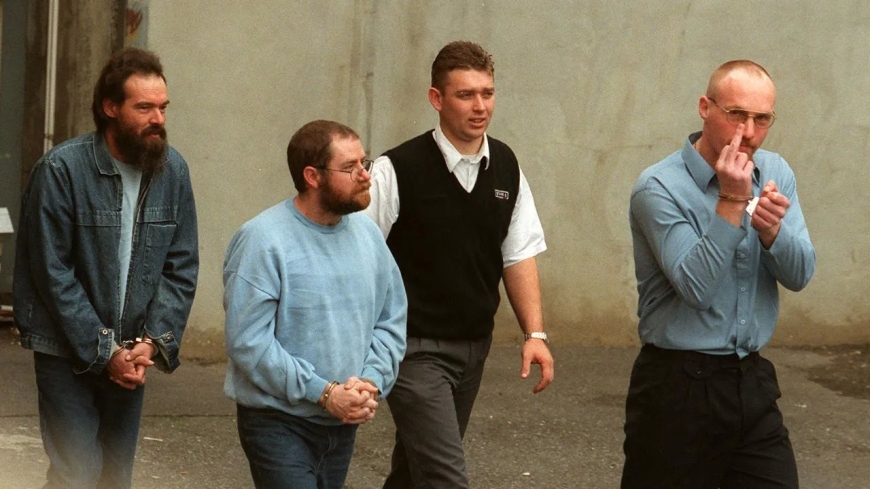
The South Australian Parole Board has announced the parole of Mark Haydon, a key figure in Australia's notorious "bodies in the barrels" case, marking a significant development in one of the country's darkest chapters. Haydon, now 65, was imprisoned nearly a quarter-century ago for his involvement in the Snowtown murders, which remain Australia's worst serial killings to date.


Frances Nelson, Presiding Member of the South Australian Parole Board, described Haydon's transition to a pre-release center as a pivotal step towards his reintegration into society. Despite the gravity of his crimes, Nelson expressed confidence in Haydon's ability to adhere to parole conditions, citing his exemplary behavior during incarceration and low risk of reoffending as assessed by authorities.
During his parole, Haydon will be closely monitored through electronic surveillance and regular reporting to a community corrections officer. Restrictions on his activities include prohibitions on frequenting pubs, contacting victims, or engaging with the media. These measures aim to provide reassurance to the community, given the notoriety of his crimes.
The Snowtown murders shocked the nation when the remains of 11 victims were discovered in barrels, stored in a disused bank vault in South Australia's mid-north. Haydon, along with three others, was arrested in 1999 in connection with the gruesome killings. His wife was among the victims, adding a chilling dimension to his involvement.
Haydon's role in assisting John Bunting and Robert Wagner in seven of the 11 killings led to his imprisonment for a minimum of 18 years. Despite his impending release, concerns linger regarding the impact on the victims' families. Nelson acknowledged the profound trauma inflicted by the murders and assured that measures were being taken to address their concerns, including identifying areas where Haydon would not reside.
In a separate development, the South Australian government has taken the extraordinary step of applying to the Supreme Court to monitor Haydon following his release. This decision reflects the ongoing efforts to safeguard the community and uphold justice in the aftermath of such heinous crimes.
Haydon's case underscores the complex interplay of factors contributing to criminal behavior, including manipulation and coercion by others involved. Nelson highlighted Haydon's vulnerability to influence, citing his fear for his life under Bunting's control from a young age.
Conversely, John Bunting, the mastermind behind the Snowtown murders, has exhibited a disturbing lack of remorse and empathy during his parole proceedings. Nelson characterized Bunting's demeanor as indifferent to the suffering inflicted by his crimes, reinforcing the chilling nature of his character.
As Haydon prepares for his transition back into society, the parole decision prompts reflection on the enduring impact of the Snowtown murders and the ongoing quest for justice for the victims and their families.