





















Taiwan is in a state of "panic" because of China's coast guard. That's not all Beijing has planned.
In an unprecedented incident escalating tensions between Taiwan and China, King Xia, a Taiwanese tourist boat carrying 23 passengers, was intercepted near Taiwan's outlying Kinmen Islands by two Chinese coast guard vessels

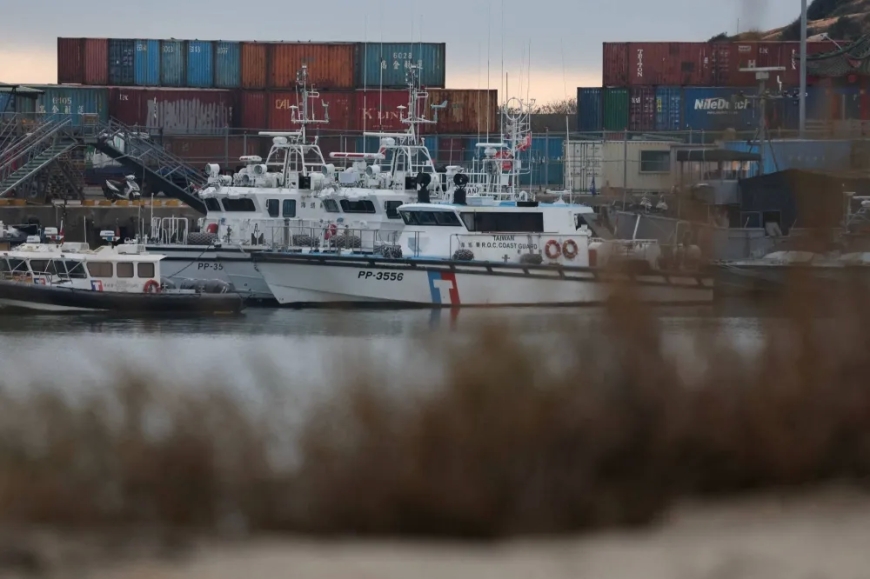
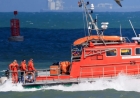
In an unprecedented incident escalating tensions between Taiwan and China, King Xia, a Taiwanese tourist boat carrying 23 passengers, was intercepted near Taiwan's outlying Kinmen Islands by two Chinese coast guard vessels. The encounter, characterized by a "forced" inspection lasting about thirty minutes, involved six Chinese officers boarding the vessel to scrutinize its route plan, certificates, and crew licenses. Taiwanese authorities reported that King Xia had unintentionally strayed towards Chinese waters to avoid shoals.


The abrupt encounter left Taiwanese passengers visibly unsettled, with one describing it as "super scary" upon returning to shore under a Taiwanese coast guard escort. Kuan Bi-ling, head of Taiwan’s Ocean Affairs Council, acknowledged the incident's impact, stating it triggered "panic" among the Taiwanese public.
For years, sightseeing boat tours between Kinmen and Xiamen have facilitated peaceful exchanges between Taiwanese and Chinese citizens. However, recent events have clouded this once-tranquil route. Heightened tensions escalated following the tragic deaths of two Chinese fishermen, who drowned during a pursuit by Taiwan’s coast guard for allegedly trespassing into prohibited waters around Kinmen. Beijing blamed Taiwan’s ruling Democratic Progressive Party (DPP) for the incident, exploiting it to expand its presence in the area.
China's denial of Taiwan's designated maritime zones near Kinmen and increased coast guard patrols represent a deliberate effort to challenge Taiwan's authority. These actions, analysts suggest, are part of China’s "gray zone" tactics, aiming to erode Taiwan's control gradually without resorting to open conflict.
The inspection of the Taiwanese tour boat signifies a provocative move by China, testing Taiwan's response. Political scientist Ian Chong noted that targeting a tourist vessel was a deliberate choice to provoke a high-profile reaction. Despite Taiwan’s pledge to enforce its laws and ensure peace, the situation remains precarious, with the risk of miscalculations that could escalate into conflict.
Taiwanese authorities are grappling with the delicate balance of asserting sovereignty while avoiding confrontation. Plans to educate Taiwanese boat captains on handling such encounters underscore the gravity of the situation. Defense Minister Chiu Kuo-kcheng emphasized the need to avoid miscalculations, signaling Taiwan’s cautious approach.
Amidst these tensions, China's recent actions signal a broader strategy to assert dominance in the Taiwan Strait. From diplomatic maneuvers to military posturing, Beijing aims to test Taiwan's resolve and secure concessions.
As Taiwan braces for the inauguration of its next president, Beijing's incremental measures pose challenges for the incoming administration. The evolving dynamics in the Taiwan Strait underscore the complex interplay of political, economic, and security considerations shaping East Asia's geopolitical landscape.