




















Indian farmers have resumed demonstrations; a possible jam exists in Delhi.
Tensions are on the rise once again as farmers prepare to resume their 'Delhi Chalo' protest march from the Punjab-Haryana border today

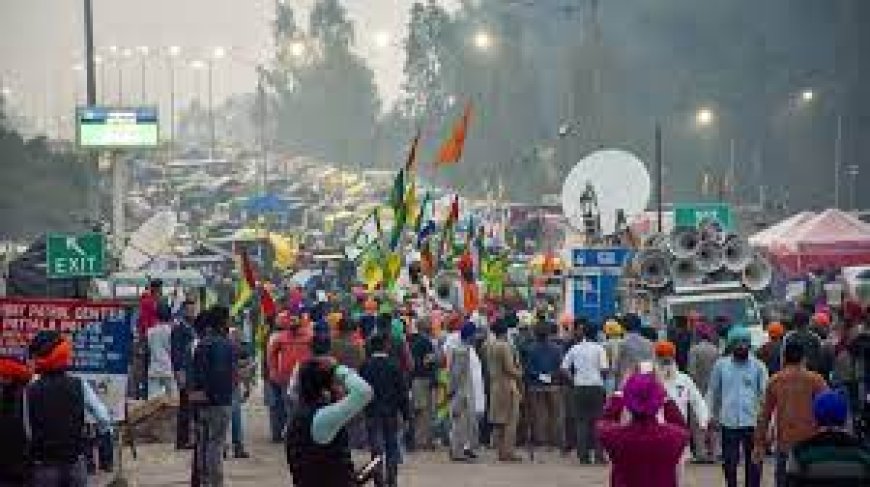
Tensions are on the rise once again as farmers prepare to resume their 'Delhi Chalo' protest march from the Punjab-Haryana border today, with authorities bracing for a convoy of 1,200 tractors accompanied by thousands of protesters.


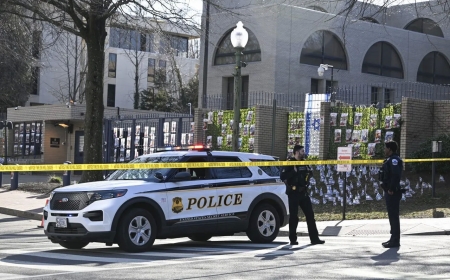
Worries loom over potential disruptions in the capital as Delhi Police maintain high alertness, strengthening entry points to prevent any untoward incidents.
The standoff, which has captivated the nation for weeks, follows unsuccessful negotiations between farmer representatives and the central government regarding guarantees on minimum support prices (MSP).
Despite multiple attempts at dialogue, the deadlock persists, fueling the resolve of the farmers to persist with their demands.
To preempt potential disorder, Haryana Police have urged their counterparts in Punjab to confiscate heavy machinery brought by protesters to dismantle police barricades.
Reports indicate that around 14,000 farmers have gathered along the border, equipped with 1,200 tractor-trolleys, 300 cars, and 10 mini-buses, indicating a substantial presence.
The Ministry of Home Affairs has expressed serious concern over the escalating law-and-order situation, attributing it to alleged troublemakers posing as farmers. In a letter to the Punjab government, the ministry highlighted incidents of stone-pelting and the presence of heavy machinery, including modified bulldozers and earthmovers, at the Shambhu border with Haryana.
As tensions escalate, security measures have been intensified around Delhi's three border points, with anticipated road closures causing potential traffic congestion.
Key entry points on the Delhi-Haryana border, such as Tikri and Singhu, remain heavily fortified with concrete barricades and a strong police presence, while the prospect of closing the Ghazipur border looms.
Ahead of the protest's resumption, prominent farmer leader Sarwan Singh Pandher reiterated the demonstrators' commitment to peaceful assembly, emphasizing their demand for legislative action on MSP for crops.
Pandher's call for a day-long Parliament session to address farmers' grievances underscores the mounting pressure on the government to address their demands.
However, amid the escalating tensions, concerns have been raised about the deployment of paramilitary forces in Haryana villages to thwart the farmers' march.
Pandher condemned what he described as government oppression, urging authorities to uphold constitutional rights and allow the protesters to peacefully proceed towards Delhi.
In a significant development, the Punjab and Haryana High Court issued directives to the Punjab government, urging restraint in permitting large gatherings of farmers and highlighting legal constraints on operating tractor-trolleys on highways.
The resurgence of the 'Delhi Chalo' march underscores the deepening determination of farmers in their struggle for MSP guarantees, setting the stage for yet another confrontation between the protesters and the authorities, with the nation's capital preparing for potential upheaval.