





























Blinken returns to the Middle East as concerns over regional violence grow.
Amid escalating tensions in the Middle East, Secretary of State Antony Blinken is embarking on his fourth visit to the region in three months

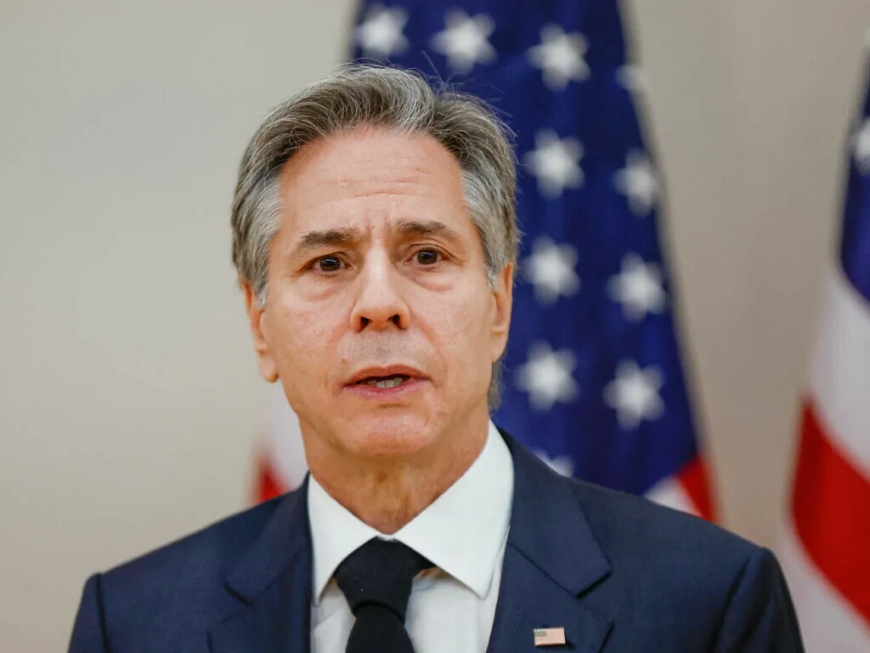
Amid escalating tensions in the Middle East, Secretary of State Antony Blinken is embarking on his fourth visit to the region in three months, aiming to address concerns over the potential expansion of the Israel-Hamas conflict. The Biden administration faces mounting international criticism of Israel's actions in Gaza, coupled with heightened worries about recent attacks in the Red Sea, Lebanon, Iran, and Iraq.


Blinken's agenda includes advocating for increased humanitarian aid to Gaza, a shift toward less intense military operations, and efforts to curb violence against Palestinians in the West Bank. The tour spans Turkey, Greece, Jordan, Qatar, the United Arab Emirates, Saudi Arabia, Israel, the West Bank, and Egypt. While acknowledging the challenges, State Department spokesman Matthew Miller emphasizes the U.S. responsibility to lead diplomatic efforts in addressing the region's complex issues.
The recent killing of a senior Hamas leader in Beirut adds a layer of complexity to Blinken's mission, potentially impacting the diplomatic landscape. The overarching goal is to prevent the Israel-Hamas conflict from spreading beyond Gaza. However, the strategic balance favors Iran, with its allies, including Hezbollah, content with the current level of hostilities.
Since the outbreak of the Gaza war following Hamas attacks in October, the Biden administration has been actively concerned about the conflict's potential escalation. Despite initial relief efforts to dissuade pre-emptive strikes by Israel on Hezbollah, the risk of a regional war has grown. Israel's determination to target Hamas operatives wherever they are, combined with increased attacks by various groups on U.S., Israeli, and international interests, raises the stakes.