



























Following a last warning from the US and its allies, the Houthis conducted a maritime drone attack on ships.
In a recent incident, an armed unmanned surface vessel (USV) launched from Houthi-controlled Yemen approached within a "couple of miles" of U.S. Navy and commercial vessels in the Red Sea before detonating

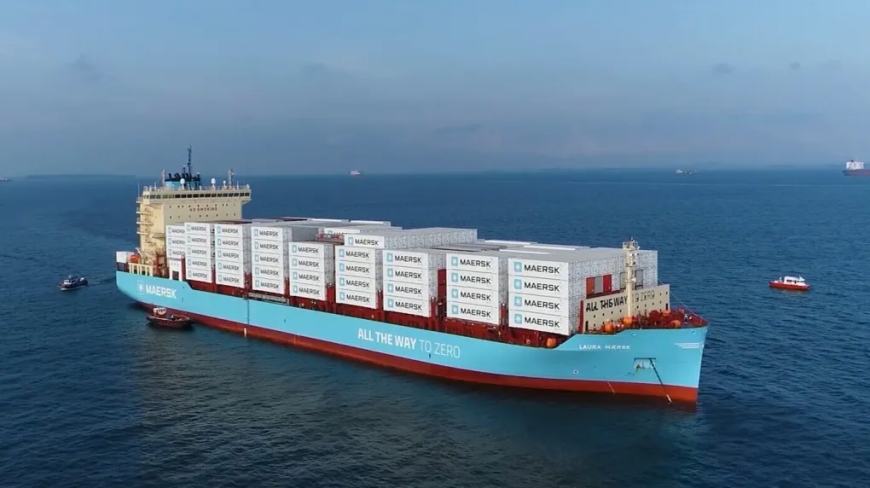
In a recent incident, an armed unmanned surface vessel (USV) launched from Houthi-controlled Yemen approached within a "couple of miles" of U.S. Navy and commercial vessels in the Red Sea before detonating. This occurred shortly after the White House and several partner nations issued a final warning to the Iran-backed Houthi militia, urging them to cease their attacks or face potential military action.


Vice Admiral Brad Cooper, head of U.S. Navy operations in the Middle East, highlighted that this marked the first instance of the Houthis using a USV since the outbreak of the Israel-Hamas war. These USVs, a significant part of the Houthi maritime arsenal, have been employed as suicide drone boats exploding upon impact in previous conflicts, including battles against the Saudi coalition forces in Yemen.
Fabian Hinz, a missile expert and research fellow, noted that while most Houthi USVs are likely assembled in Yemen, they often incorporate components from Iran, such as computerized guidance systems. At the United Nations, U.S. Deputy Ambassador Christopher Lu accused Iran of supplying the Houthis with money and advanced weapons, including drones, land attack cruise missiles, and ballistic missiles. He emphasized that Iran's involvement in planning Houthi attacks on commercial vessels in the Red Sea is significant.
The statement issued by a coalition of countries, including the U.S., Australia, the UK, and others, served as a final warning to the Houthis, calling for an immediate end to their attacks on vessels. The statement warned that the Houthis would bear responsibility for the consequences if they persisted in threatening lives, the global economy, and the free flow of commerce in critical waterways.
Pentagon spokesman Maj. Gen. Pat Ryder refrained from confirming potential military action in response to the recent sea drone launch but reiterated the consequences outlined in the coalition statement. Since late October, the Houthis have launched numerous one-way attack drones and missiles at commercial vessels in the Red Sea, prompting defensive measures like Operation Prosperity Guardian. This operation, initiated in December, involves additional ships from the U.S. and other countries to protect commercial vessels transiting the Bab el-Mandeb Strait in the southern Red Sea.
Defense Secretary Lloyd Austin announced Operation Prosperity Guardian as a defensive measure, distinct from any potential military action in response to continued Houthi attacks. The operation has enabled the safe passage of 1,500 commercial ships since its launch. Despite these defensive efforts, the Houthis persist in launching missiles and attack drones, prompting the recent final warning from the White House and its allies. Operation Prosperity Guardian remains solely defensive in nature, with the U.S., the UK, France, Greece, and Denmark contributing warships to protect commercial shipping in the region.