

























13 million families eating wheat enhanced with zinc, scientists

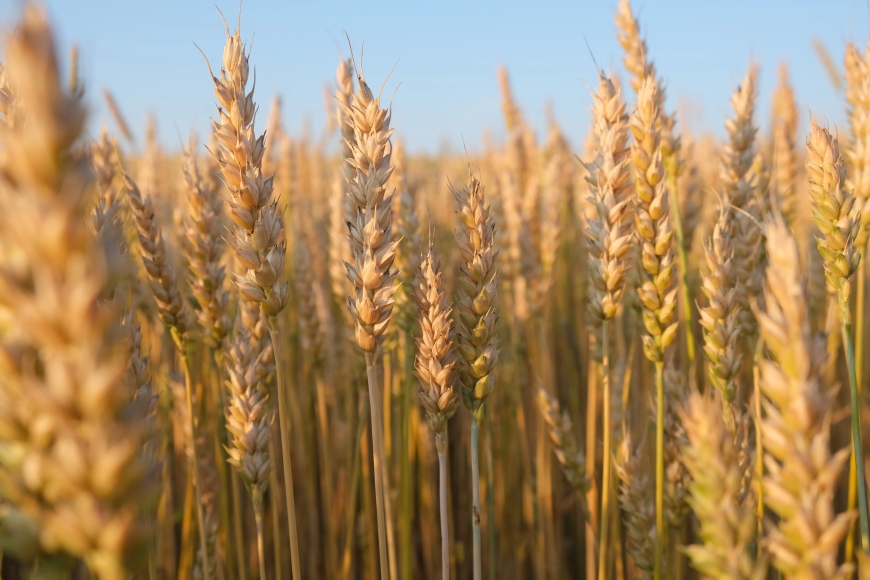
Agricultural experts reported that approximately 13 million farming families in Pakistan are now benefiting from zinc-enriched wheat, thanks to increased production of high-yielding biofortified wheat seed in 2022. Last year, around 2.1 million farmers planted the zinc-enriched seed, providing nutrient-enriched wheat to address food insecurity and combat "hidden hunger" for an estimated 13 million people.


Yaqub Mujahid, HarvestPlus Country Manager, emphasized that these are conservative estimates, with millions more purchasing zinc-enriched wheat from the market. For the 2023-24 planting season in Pakistan, over 90,000 metric tonnes of certified zinc-enriched wheat seed is available. Agricultural sector experts consider biofortification a cost-effective and sustainable strategy to address micronutrient deficiency, known as "hidden hunger." In Pakistan, over 22 percent of women of reproductive age are zinc deficient, with Punjab province having the highest proportion at 24.1 percent.
Additionally, about 18.6 percent of Pakistani children under five have inadequate zinc intake, contributing to stunting, impaired brain development, and compromised immune function. Given that wheat is the main staple crop in Pakistan, with an average per capita annual consumption of 87 kilograms—one of the highest in the world—this initiative holds significant importance.
Maintaining the scale of production is attributed to market demand and the promotion of biofortified wheat seed to farmers, along with awareness campaigns targeting consumers. Innovative activities, such as farmer field days, product launches, seed promotion, and the use of digital technologies, including social media platforms, contribute to creating demand. Yaqub Mujahid highlighted that this progress will play a crucial role in addressing malnutrition in both rural and urban areas of Pakistan. Over the past 20 years, more than 293 nutrient-enriched biofortified crop varieties have been released globally, benefiting over 20 million farmers in 30 countries. In Pakistan alone, five biofortified zinc wheat varieties have been released, and more are in development or testing, contributing to the sustainable transformation of food systems.
Dr. Khawaja Masuood Ahmed is the National Coordinator for Nutrition and the National Fortification Alliance at the Federal Ministry of National Health Services, Regulation, and Coordination. He highlights that growing biofortified crops is an economical and sensible way to give a substantial portion of the population a healthy and reasonably priced diet, given that malnutrition costs Pakistan $7.6 billion a year. One-third of the world's population, mostly in Africa, Asia, and Latin America, cannot afford a healthy, varied diet that provides enough vitamins and minerals (micronutrients).
This information is provided by the Food and Agriculture Organization (FAO). A major consequence of this shortage is that two billion people experience "hidden hunger," a less obvious type of micronutrient malnutrition. Increasing the micronutrient density of commonly consumed staple crops by techniques like traditional plant breeding and agronomic practices is known as biofortification. In addition to providing improved nutrition, biofortified crop types also show excellent yields and resistance to both biotic and abiotic stressors. Socioeconomic advantages are provided by this strategy in South Asia, Africa, and other parts of the world.