


















To confront China, the US is stepping up its efforts to strengthen military alliances in Asia
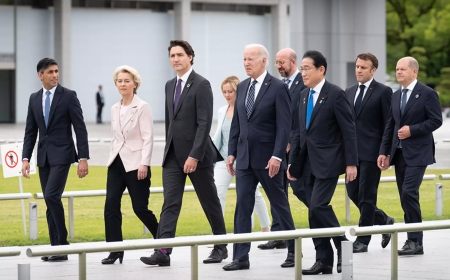
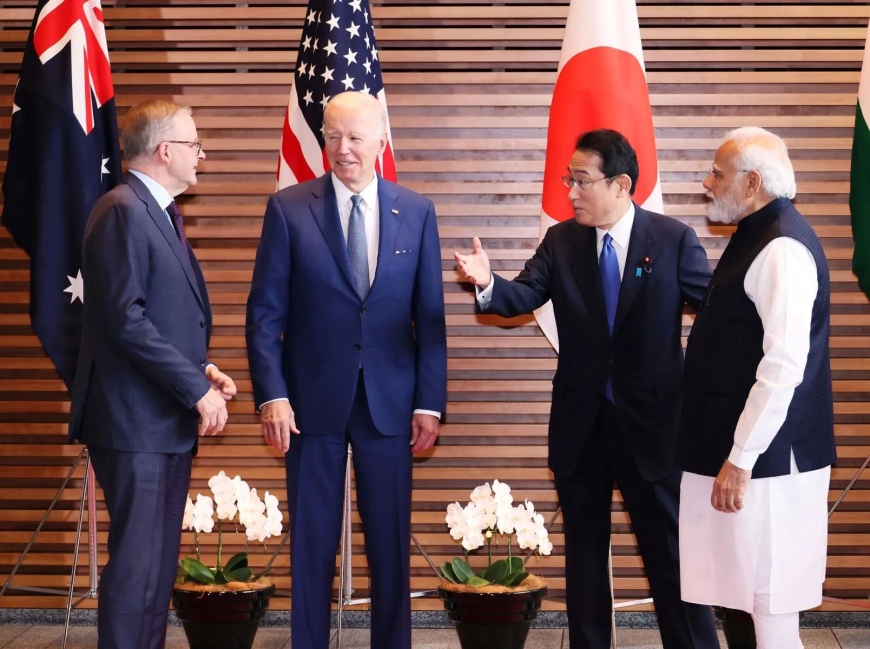
As part of a strategy to challenge China, the US undertook a "once in a generation effort" in 2023 to strengthen defense and diplomatic connections in the Asia Pacific region.

On May 30, the United States lodged accusations against China for engaging in an "unnecessarily aggressive maneuver," intercepting one of its spy planes over the South China Sea. The incident involved a routine operation of the American RC-135 plane, during which a Chinese fighter jet allegedly executed a direct, provocative maneuver in front of the US aircraft. A video released by the US Indo-Pacific Command depicted the cockpit of the RC-135 experiencing turbulence caused by the Chinese jet.


Five days later, on June 5, the US once again accused China of an "unsafe" maneuver, this time near a US warship in the Taiwan Strait. The US Indo-Pacific Command shared a video illustrating the incident, revealing a Chinese vessel abruptly crossing the path of a US destroyer at a distance of approximately 137 meters (150 yards). This forced the US vessel to slow down to avoid a potential collision.
Washington characterized these close encounters as indicative of China's "growing aggressiveness." However, Beijing countered, blaming the US for deliberately "provoking risk" by conducting close-in reconnaissance near its shores, actions deemed a serious threat to national security.
The recent incidents revived memories of a tragic event on April 1, 2001, when a Chinese fighter jet collided with a US surveillance plane over the South China Sea, resulting in the death of the Chinese pilot. The US plane made an emergency landing in China's Hainan, and tensions escalated until Washington issued an apology for the incident.
While both nations de-escalated tensions then, current concerns arise from the possibility that a similar mishap today could lead to a broader conflict, given the strained relations between the superpowers. The US perceives China as its greatest challenge, pointing to Beijing's rapid military buildup, claims over Taiwan, and territorial assertions in the East and South China Seas.
The US's "freedom of navigation exercises" near China, part of President Joe Biden's strategy to expand diplomatic and military presence in the Asia Pacific, exacerbate the rivalry. China accuses the US of pursuing a policy of "containment, encirclement, and suppression," aiming to hinder its economic development.
The escalating competition between the US and China for global dominance, especially in Asia, is expected to intensify tensions. Analysts suggest that while this rivalry may initially benefit Asia Pacific countries through infrastructure loans and foreign direct investments, navigating between the two superpowers could become increasingly challenging in the future. The ongoing struggle for dominance will likely define the geopolitical landscape in the region for decades to come.