

















As the EU decides to begin membership discussions with Ukraine, Zelenskyy declares "victory."

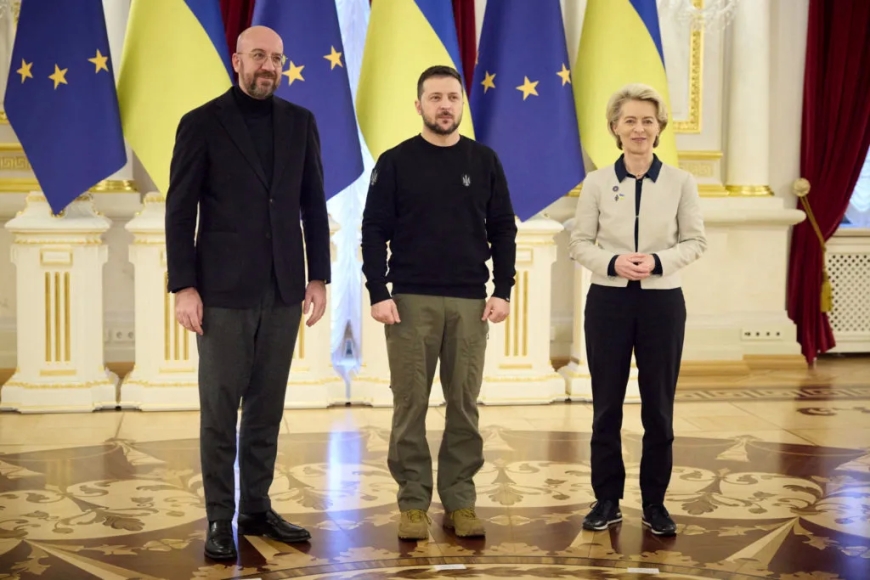
President Volodymyr Zelenskyy has celebrated a significant achievement for Ukraine and the European continent, as European Union leaders have agreed to commence membership talks with Ukraine, overcoming previous opposition from Hungary. The decision, made during a summit of the 27 EU countries on Thursday, also included the opening of formal membership negotiations with Moldova. European Council President Charles Michel, who hosted the summit, described the agreement as "a clear signal of hope for their people and our continent."


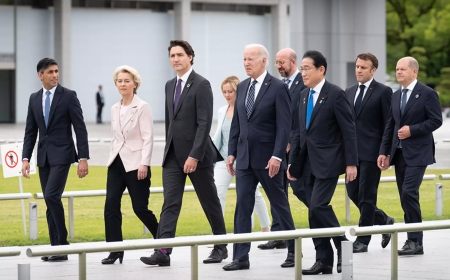
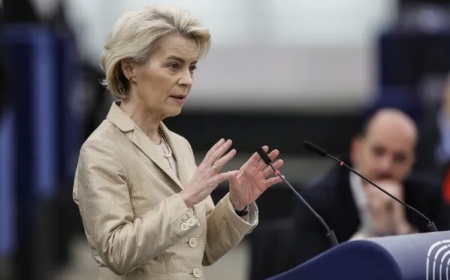
Zelenskyy expressed his appreciation for the decision, describing it as "a victory for Ukraine, for all of Europe, a victory that motivates, inspires, and strengthens," in a post on X. European Commission chief Ursula von der Leyen emphasized that it was a "strategic decision" marking a historic moment for the EU. German Chancellor Olaf Scholz remarked, "These countries belong to the European family." Michel further disclosed that the summit granted EU candidate status to Georgia and would advance the EU bid of another hopeful, Bosnia and Herzegovina, once it meets the necessary criteria.
Despite initial opposition, Hungary's Prime Minister Viktor Orban did not participate in the summit room vote on Ukraine but knew and agreed to let other leaders vote in his absence. Orban, who had promised to block the deal for weeks, labeled the decision as "bad" and asserted that Ukraine was unprepared for EU membership talks. He declared Hungary's decision not to participate in what he deemed a "bad decision" made by 26 member states.
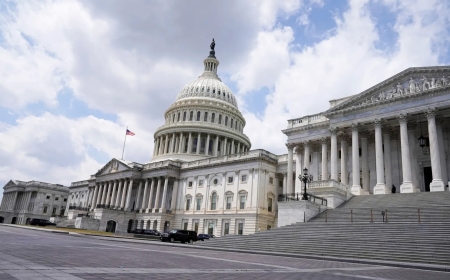
While Hungary had initially threatened to deny Kyiv 50 billion euros in financial aid crucial for Ukraine's war with Russia, negotiations on the aid are still ongoing. Orban expressed Hungary's unwillingness to participate in what it considers a detrimental decision while emphasizing that discussions on aid for Ukraine continue. Earlier in the week, President Zelenskyy visited the US, where he sought additional American aid, though facing obstacles in the US Congress for approval.