










More than 100 MPs from Guatemala had their visas restricted by the US for "undermining democracy."

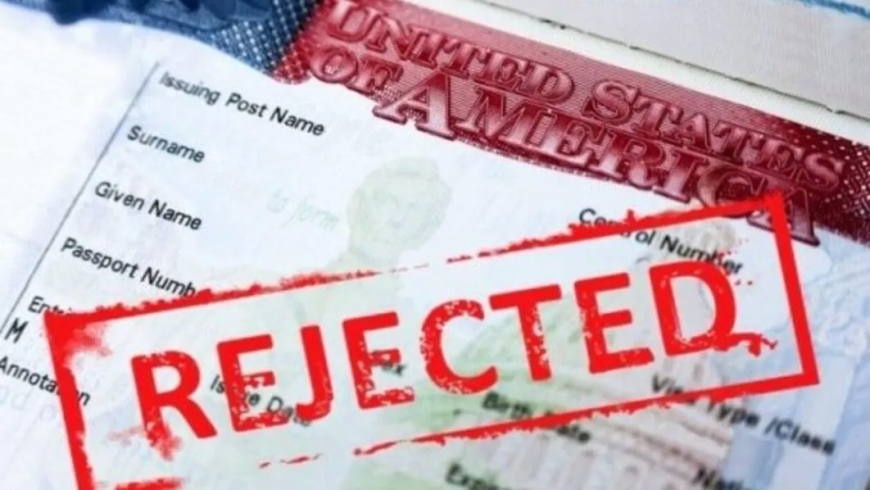
The United States has imposed visa restrictions on almost 300 Guatemalan citizens, citing "anti-democratic actions" by officials and other individuals accused of attempting to nullify the election victory of President-elect Bernardo Arévalo.


Following Arévalo's decisive victory in the summer, members of Congress and Guatemala’s Public Ministry, led by Attorney General Consuelo Porras, have faced accusations of trying to invalidate the election results. Actions such as raids on electoral authority offices and arrest warrant requests have been reported. Last week, the ministry announced another request to strip Arévalo’s presidential immunity, accusing him, who campaigned on an anti-corruption platform, of money laundering and the alleged use of false documents to establish his party, the Semilla Movement.
Arévalo, set to assume office in January, responded to these allegations, describing them as part of an attempted "coup d’état" aimed at tarnishing his party with various crimes and questioning the legitimacy of the elections.
The U.S. State Department, in justifying the visa restrictions, pointed to the attempt to annul Arévalo’s immunity and "the Public Ministry’s announcement of arrest warrants for electoral workers and party representatives" as evidence of a clear intent to delegitimize Guatemala’s elections and obstruct the peaceful transition of power.
Bernardo Arévalo, born in Uruguay during his parents’ exile, is the son of Guatemala’s first democratically elected president in 1945, known for establishing the country’s social security system. Arévalo has pledged to bring back journalists, judges, and prosecutors who fled the country following the government's closure of the United Nations-backed anti-corruption commission, CICIG.