




























An elderly French couple loses millions-worth unique African mask case

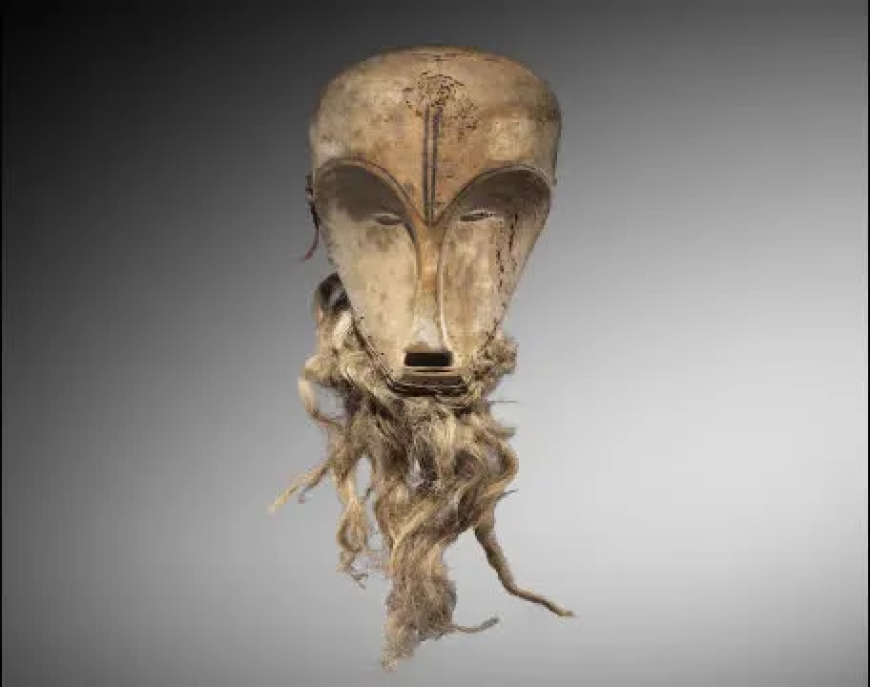
In a legal battle over the sale of a rare African mask, a second-hand dealer has emerged victorious, securing the right to keep the €4.2m (£3.6m; $4.6m) proceeds from the transaction. The dealer had acquired the mask for €150 (£129; $165) from an elderly French couple, whom he was helping clear their attic.


The couple sued, contending that they were misled about the true value of the artwork. However, the judge ruled against them, asserting that they had failed to grasp the mask's actual worth. The Ngil mask, crafted by the Fang people of Gabon, is considered one of only approximately 10 in existence. Historically worn by the Ngil secret society members, it served as a tool to identify troublemakers and suspected sorcerers. The 19th-century wooden mask had been in the possession of the family until it was sold to the dealer. Subsequently, it was resold at auction to an undisclosed buyer.
The couple sought a portion of the sale proceeds, claiming that the dealer had deceived them regarding the mask's true value. The dealer, denying knowledge of its significant worth, had initially offered €300,000, matching the mask's initial valuation, as a goodwill gesture. The judge sided with the dealer, emphasizing that the couple had neglected due diligence in assessing the mask's "historical and artistic" value. The initial goodwill offer was withdrawn after the couple initiated legal action.
The court also rejected Gabon's plea to halt the sale, arguing that the mask rightfully belonged to the country. Despite Gabon being a French colony when the mask was acquired by the plaintiff's grandfather in 1917, the court dismissed the claim.
This case highlights broader issues related to the ownership and restitution of African art, with tens of thousands of such works held outside the continent, many acquired during the colonial era. French President Emmanuel Macron has previously advocated for the restitution of African art, expressing concern about a significant portion of the cultural heritage of several African countries being housed in France.