


























This year, Nintendo is anticipated to release the "Switch 2" console. Here's what to anticipate.
Gaming analysts suggest that Nintendo is poised to unveil a new Switch console this year, aiming to capitalize on the enduring popularity of its iconic characters such as Mario and Zelda,

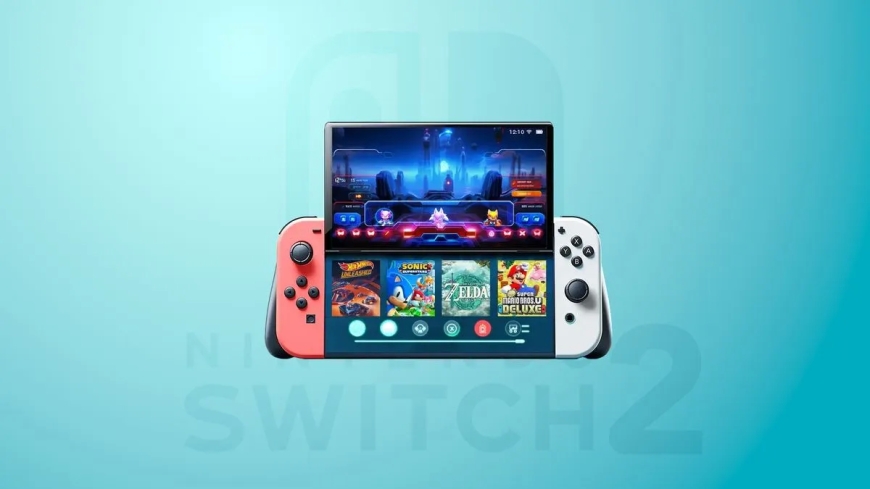
Gaming analysts suggest that Nintendo is poised to unveil a new Switch console this year, aiming to capitalize on the enduring popularity of its iconic characters such as Mario and Zelda, according to CNBC reports.


The Nintendo Switch, initially launched in March 2017, introduced a unique hybrid console concept, allowing gamers to seamlessly transition between TV and portable gaming by attaching controllers to a tablet. With 132.46 million units sold, it stands as Nintendo's second-most successful console after the Nintendo DS.
While the Switch has sustained strong sales momentum through a steady stream of first-party games featuring beloved characters like Mario, Zelda, and Pokemon, recent indications show a slowdown. Nintendo reported a 4% year-on-year revenue decline and a 19% drop in profit in its September-quarter results.
Analysts foresee a new Switch console in 2024 to rejuvenate sales. Serkan Toto, CEO of Kantan Games, anticipates a release in the second half of the year, emphasizing the aging of the original Switch, which is now nearly seven years old. Piers Harding-Rolls from Ampere Analysis expects a fourth-quarter launch, and Atul Goyal from Jefferies suggests the timing may depend on Switch sales in the holiday quarter.
Capitalizing on recent movie releases featuring key characters, such as "The Super Mario Bros. Movie," which grossed over $1 billion, a new console launch could align with the popularity of these characters.
While details about the anticipated "Switch 2" remain scarce, analysts believe it will likely follow the hybrid approach of its predecessor. Expectations include upgraded console capabilities and improved controllers. Some analysts anticipate a significant leap in specs, characterizing it as a new device rather than a mere upgrade, signaling Nintendo's need to enhance its offerings after seven years.
Analysts at Moffett Nathanson likened the strategy to an "evolution, not a revolution," akin to the iPhone model. This approach would enable Nintendo to introduce a more powerful but familiar form factor to its existing user base while providing an opportunity to sell compelling first and third-party games to a broader audience.