


























Following one of the biggest peacetime evacuations in UK history, a bomb from World War II exploded safely at sea.
Discover the story of one of the largest peacetime evacuations in British history as a WWII-era bomb found in Plymouth prompts mass relocation. Learn about the city's wartime history and its resilience in the face of past devastation.

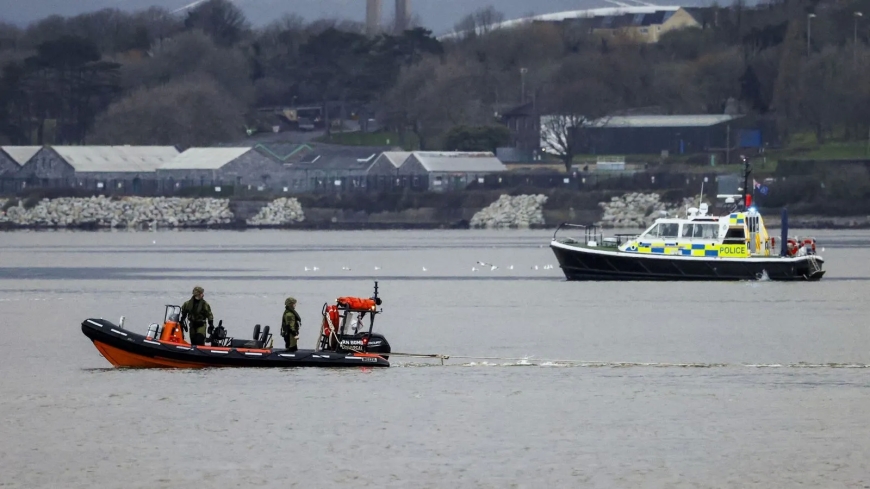
A significant piece of history unfolded in Plymouth as authorities detonated a World War II-era bomb discovered in a backyard, leading to one of the most extensive peacetime evacuations in British history. The Ministry of Defence confirmed the detonation on Saturday, following the evacuation process that commenced earlier in the week.


The bomb, weighing 500 kilograms (1,100 pounds), was unearthed on Tuesday in Plymouth, situated on the southwestern coast of Britain. This prompted the evacuation of over 10,000 residents to ensure their safety. Amidst heightened security measures, a military convoy carefully transported the unexploded bomb through densely populated residential areas to a ferry slipway. From there, it was safely taken out to sea for detonation.
Tudor Evans, the leader of Plymouth City Council, reflected on the significance of these events, stating, "I think it is fair to say that the last few days will go down in history for Plymouth." This sentiment underscores the gravity of the situation and the city's resilience in facing such challenges.
During World War II, Plymouth, with its longstanding naval bases, endured extensive bombing, solidifying its place in history as one of the most heavily targeted cities in Britain. The city bore the brunt of fifty-nine separate air raids, resulting in the loss of 1,174 civilians, as reported by local officials. The devastating raids destroyed nearly 3,800 homes and severely damaged an additional 18,000.
As the WWII-era bomb is safely disposed of, Plymouth's past trials and triumphs serve as a testament to its resilience and the enduring spirit of its residents.