
























For the first time, Pakistan combats pollution using artificial rain


Pakistan has employed artificial rain for the first time to combat dangerously high pollution levels. On Saturday, aircraft carrying cloud-seeding equipment—which promotes cloud formation and precipitation—soared over parts of Lahore. The megacity in the east of Pakistan is frequently included among the most polluted locations on Earth. According to Mohsin Naqvi, the acting chief minister of Punjab, "it drizzled in at least 10 areas of Lahore," as reported by Al Jazeera.


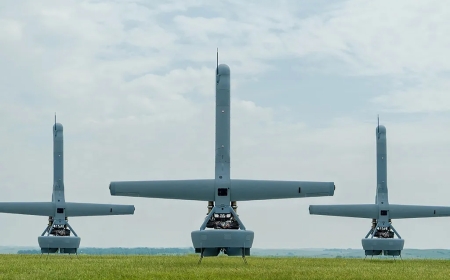
Authorities, he added, were keeping an eye on the effects of artificial rain within a 15-kilometer (nine-mile) radius. The United Arab Emirates (UAE) has extended the "gift" of artificial rain to Pakistan, according to Mr. Naqvi. He revealed that teams from the UAE, equipped with two planes, arrived approximately 10 to 12 days ago and utilized 48 flares to induce rainfall.
Cloud seeding, a method increasingly employed by the UAE to generate rain in its arid regions, involves dispersing silver iodide into clouds. This substance, with a structure resembling ice, encourages condensation, leading to the formation of rain.
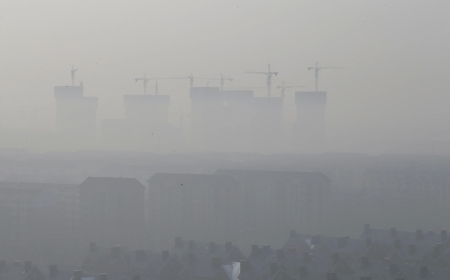
The initiative of creating rain is seen as a means to combat pollution effectively. In Lahore, hazardous levels of PM2.5 pollutants, known for their cancer-causing potential, were recorded on Saturday, exceeding the World Health Organization's danger limits by more than 66 times.
Pakistan's air pollution crisis has escalated due to factors such as low-grade diesel emissions, smoke from seasonal crop burnings, and colder winter temperatures. Mr. Naqvi mentioned that there are plans for further application of artificial rain in the city, along with the installation of smog towers designed to capture pollution.